ChatGPT SEO: How to Rank in ChatGPT Search
How to rank in ChatGPT search with AI-ready content, authority, and GEO tools like Dageno AI.
Track AI search visibilityNo install
Updated by
3 Min Read
Updated on Feb 03, 2026
TL;DR
- Ranking in ChatGPT search requires a distinct strategy, as AI models prioritize content differently from traditional search engines.
- Focus on structuring content for easy AI extraction, ensuring clarity, conciseness, and direct answers to user queries.
- Building strong brand authority through mentions and verifiable facts is crucial for AI models to cite your content.
- Regularly update your content to maintain freshness, as AI algorithms favor recent and relevant information.
- Utilize specialized tools like Dageno AI to monitor and optimize your brand's visibility and citation rates within generative AI platforms.
How ChatGPT Search Actually Works
The landscape of information retrieval is undergoing a significant transformation. Users are increasingly turning to generative AI platforms like ChatGPT, Gemini, and Perplexity for direct and precise answers, moving beyond traditional keyword-based search engines. This shift necessitates a new understanding of how content is discovered and prioritized by these advanced AI systems.
When a user submits a prompt to ChatGPT, the process of generating a response involves several key steps. Unlike a simple keyword match, ChatGPT employs a sophisticated mechanism that includes:
- Query Fan-out: The initial user prompt is often expanded into multiple short-tail searches, allowing the AI to explore a broader range of related information [1].
- Content Scanning: ChatGPT scans content from both its vast pre-built knowledge base and real-time search engine results pages (SERPs), particularly leveraging Bing's index [2].
- Snippet Extraction: The AI identifies and extracts relevant snippets of information from the scanned content that directly address the user's query.
- Synthesis and Response Generation: Finally, ChatGPT synthesizes these extracted snippets, along with its internal knowledge, to formulate a coherent and comprehensive answer. This process often includes citing its sources, which is where the opportunity for brands to gain visibility lies.
Crucially, if your content is not structured in a way that facilitates easy extraction by AI, it may be overlooked, even if it ranks well in traditional search engines. The AI's ability to parse and understand your content is paramount for it to be considered a citable source.
How Does ChatGPT Rank Websites?
ChatGPT does not rank web pages in the same way as Google. Instead of displaying a list of results, it selects and synthesizes information from sources it considers reliable and relevant to the user’s question.
That said, both systems share similar expectations for content quality. Just as Google favors helpful and trustworthy pages, ChatGPT relies on information that is accurate, well-written, and closely aligned with user intent.
Rather than evaluating pages by traditional ranking signals alone, ChatGPT focuses on how clearly content answers a specific question and how easily key details can be extracted and validated. Content that is structured, factual, and contextually precise is more likely to be reflected in its responses.
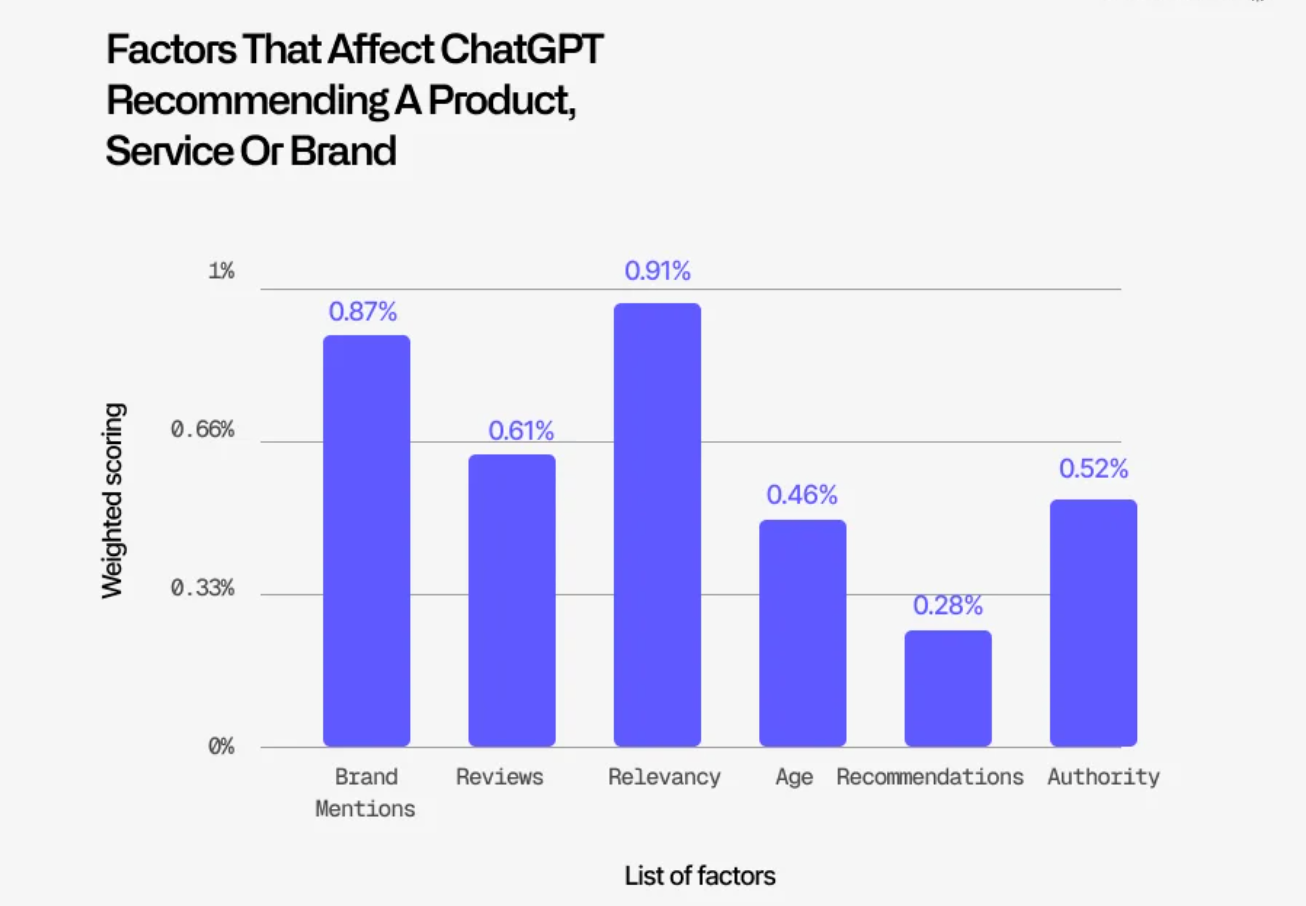
To improve visibility in ChatGPT answers, content creation should prioritize the following factors:
- Authoritative sources – ChatGPT favors information from domains and authors with established credibility, demonstrated expertise, and a strong reputation for accuracy.
- Relevance and depth – Detailed, specific explanations that directly address user questions help build trust and increase the likelihood of inclusion in AI-generated answers.
- Clear and structured writing – Logical organization, clear headings, and concise formatting make content easier for both users and AI systems to understand and reference.
How to Rank in ChatGPT: 10 Tips
Ranking prominently in ChatGPT and other generative AI platforms requires a strategic approach that goes beyond conventional SEO tactics. Based on an analysis of successful content and AI search mechanisms, here are 10 key steps to enhance your visibility and citation rates in ChatGPT search:
1. Optimize for AI Crawlability and Indexing
Just as with traditional search engines, if AI crawlers cannot access and understand your website, your content will not be cited. Ensuring your site is easily crawlable is the foundational step for ChatGPT SEO. This involves technical considerations that allow AI bots to efficiently process your content [1].
- Robots.txt Configuration: Verify that your
robots.txtfile does not block AI crawlers such asGPTBot,ChatGPT-User, orOAI-SearchBot. These bots are essential for ChatGPT to discover and index your content. - JavaScript Rendering: Many modern websites rely heavily on JavaScript. However, if your core content is not accessible when JavaScript is disabled, AI crawlers may struggle to interpret it. Prioritize clean HTML and server-side rendering for critical content to ensure AI accessibility.
- XML Sitemaps: Submit an updated XML sitemap to both Google Search Console and Bing Webmaster Tools. This helps AI discover your content more efficiently and understand your site's structure.
- CMS Settings: If you use a Content Management System (CMS) like WordPress, Squarespace, or Wix, ensure that your indexing settings are configured to allow search engines and AI crawlers to access your pages.
2. Solidify Your Traditional SEO Fundamentals
While ChatGPT SEO introduces new dimensions, the bedrock of traditional SEO remains vital. AI models often draw from content that is already well-ranked and authoritative in conventional search engines. A strong SEO foundation signals credibility and relevance to AI [3].
- Site Speed and Mobile Optimization: Fast-loading, mobile-friendly websites are preferred by both users and search engines. AI crawlers also factor these performance metrics into their evaluation of content quality.
- Internal Linking: A robust internal linking structure helps AI understand the relationships between your content pieces, establishing topical authority and improving crawl depth.
- Meta Tags: Craft clear, concise, and keyword-rich meta titles and descriptions. These elements provide AI with crucial context about your page's content.
- HTTPS Security: Secure websites (HTTPS) are universally preferred. This is a fundamental trust signal that AI models also consider.
- Fix Broken Links: Regularly audit and fix broken links. A site with numerous broken links can signal neglect and diminish its perceived authority.
3. Structure Content for AI Extraction
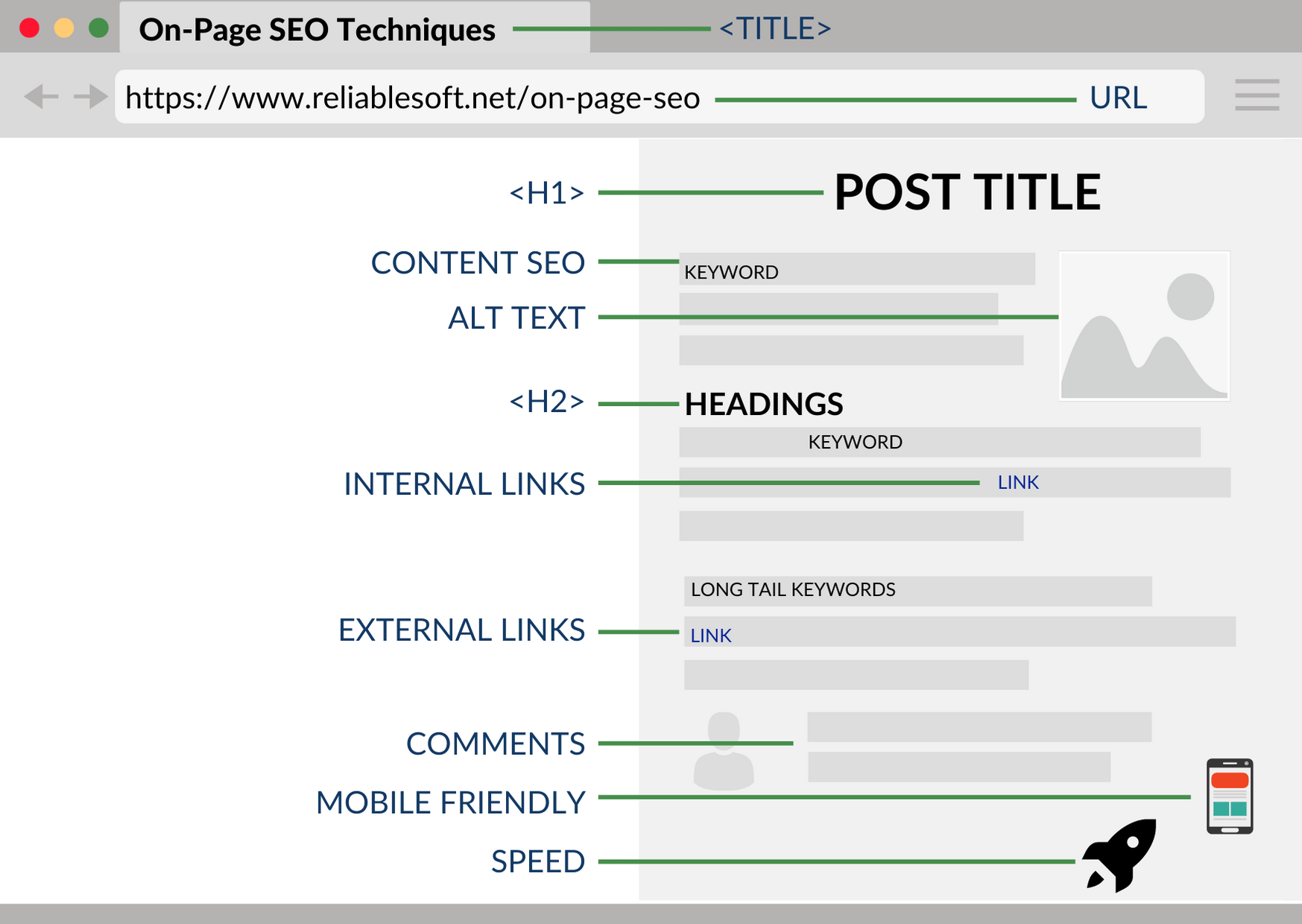
ChatGPT excels at extracting specific answers from content. To rank effectively, your content must be designed for easy AI parsing and extraction. This means moving beyond human readability to AI-readability [1].
- Answer-First Approach: Begin your articles by directly answering the main query in the first 2-3 sentences. This
direct, upfront answer is invaluable for zero-click searches and AI summaries. - Clear Heading Hierarchy (H2/H3): Utilize a logical hierarchy of headings and subheadings. Each section should address a specific subtopic, allowing AI to easily understand the organization and flow of information. This structured approach aids in identifying distinct answer segments.
- Dedicated FAQ Sections: Incorporate a dedicated FAQ section with 5-10 common questions related to your topic. These should be phrased in natural language, mirroring how users might query an AI. This format is highly conducive to AI extraction, as it directly provides question-answer pairs.
- Comparison Tables and Lists: For content involving comparisons, features, or sequential information, use tables and bullet points. AI models are adept at parsing structured data, making these formats ideal for quick information retrieval and citation.
- Concise Paragraphs: Keep paragraphs short, ideally 2-3 sentences. Long blocks of text can be challenging for AI to process and extract key information. Breaking down content into smaller, digestible chunks improves AI readability.
- TL;DR/Key Takeaways: Include a summary section at the beginning of your article. This allows AI to quickly grasp the main points and improves the clarity of information for both AI and human readers.
For complex subjects, consider creating step-by-step guides. Content that adheres to these structural guidelines is significantly more likely to be cited by ChatGPT.
4. Employ Natural Language URLs
Optimizing your URLs for natural language is a straightforward yet effective ChatGPT SEO tactic. Instead of generic or numerical URLs, use descriptive, human-readable URLs that reflect the content of the page. For example, yoursite.com/how-to-rank-in-chatgpt-search is far more informative to AI than yoursite.com/p/12847. This clarity helps AI understand the topic and relevance of your page at a glance, contributing to better indexing and potential citation.
5. Prioritize Verifiable Facts and Citations
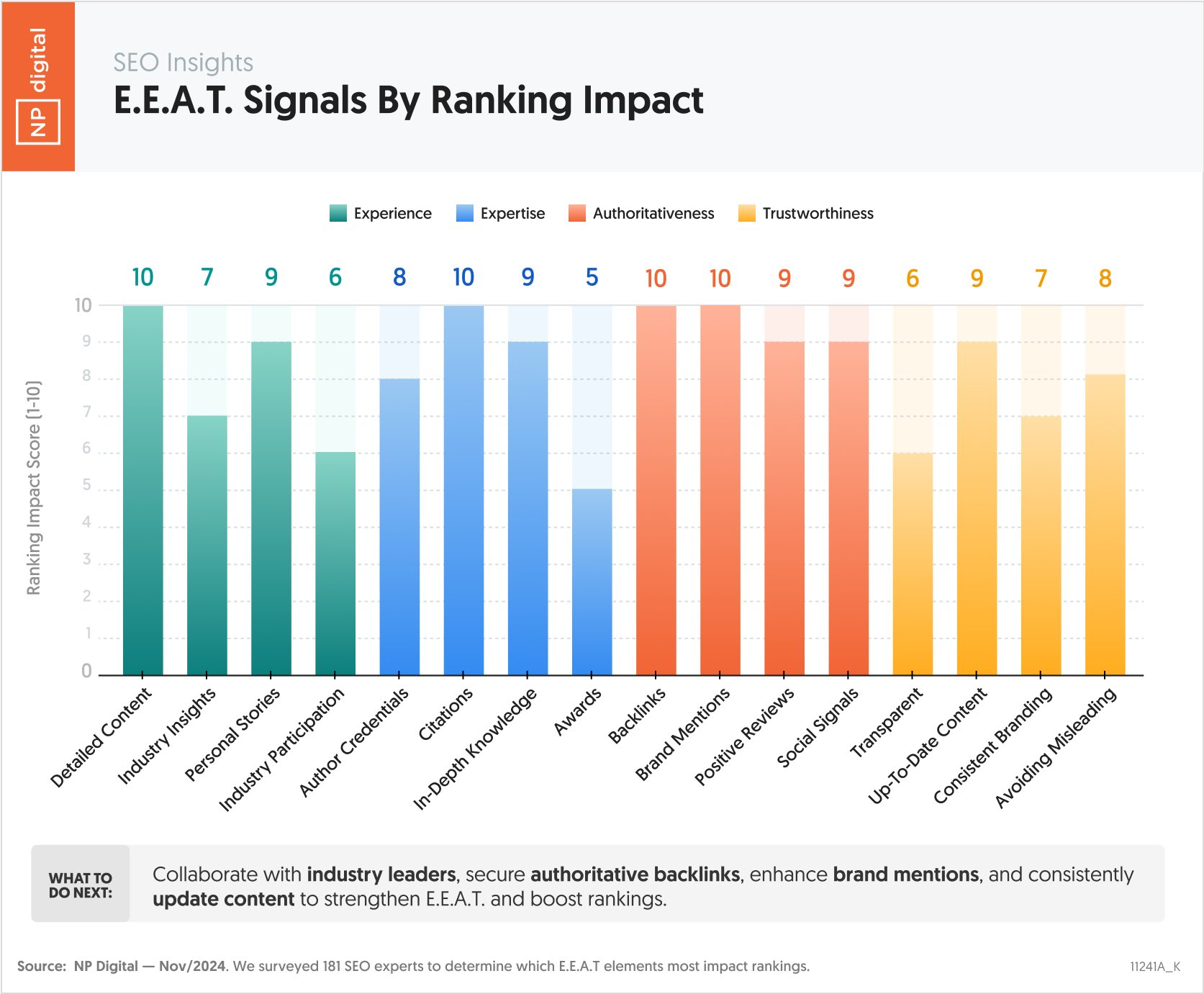
AI models, particularly those designed for factual accuracy, place a high premium on verifiable information and credible sources. To enhance your content's trustworthiness and increase its likelihood of being cited by ChatGPT, integrate data, statistics, and expert opinions, always linking back to authoritative sources. This practice not only strengthens your content but also signals to AI that your information is well-researched and reliable. For instance, citing academic papers, industry reports, or reputable news outlets can significantly boost your content's authority in the eyes of AI.
6. Cultivate Brand Mentions and Digital PR
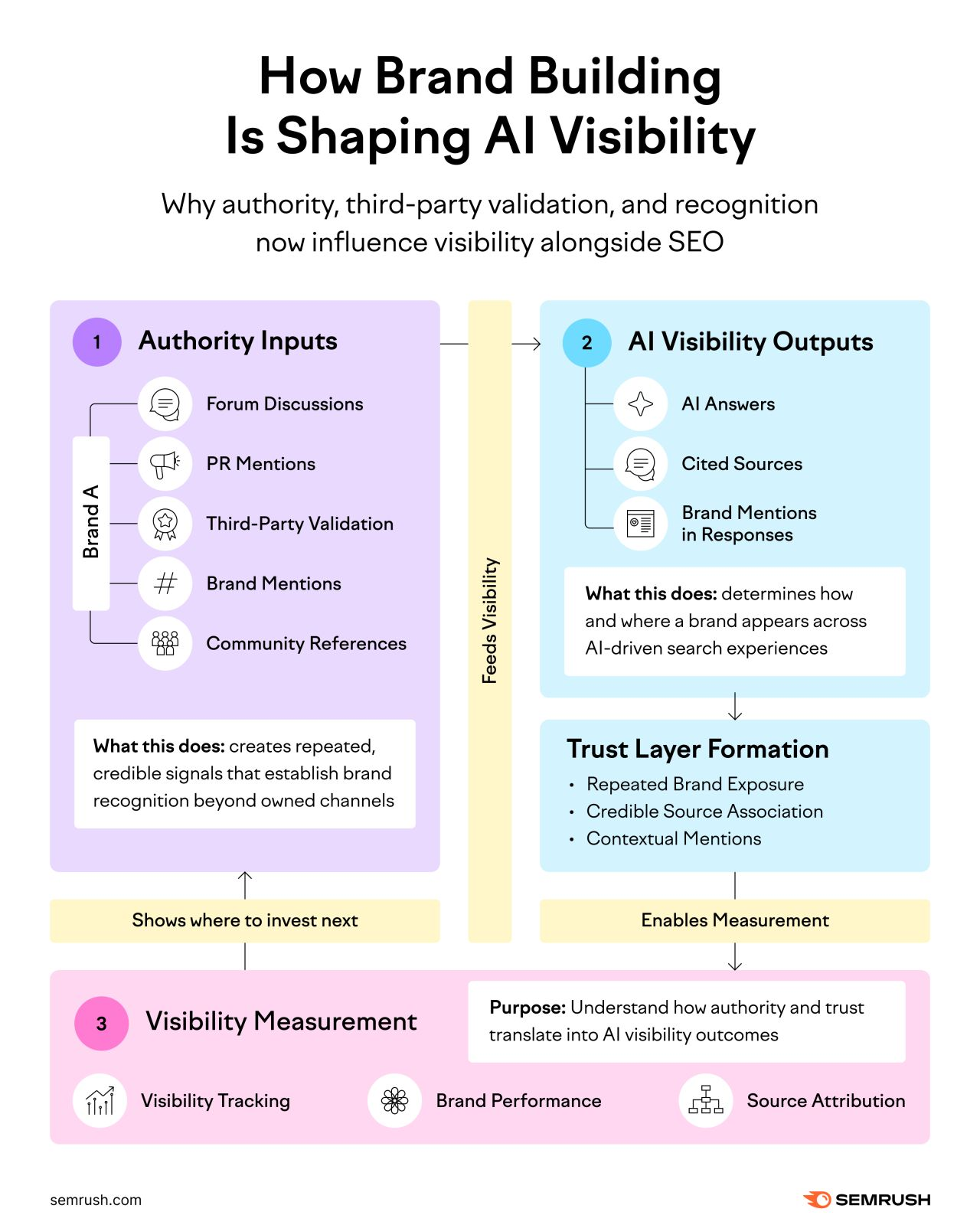
Brand mentions and third-party validation are powerful authority signals for AI. ChatGPT often considers how frequently and positively a brand is discussed across the web when determining its credibility. This extends beyond traditional backlinks to include mentions on review sites, industry forums, social media, and even platforms like Reddit.
- Active Community Engagement: Participate in relevant online communities and forums where your brand or industry is discussed. Thoughtful contributions can lead to organic mentions.
- Review Platforms: Encourage customer reviews on reputable platforms (e.g., G2, Capterra). Positive reviews and mentions on these sites serve as strong endorsements for AI.
- Digital PR: Pursue opportunities for your brand to be featured in industry publications, news articles, and
listicles. These external validations significantly boost your brand's authority in the eyes of AI models.
7. Prioritize Content Freshness and Regular Updates
AI models, particularly those focused on providing up-to-date information, exhibit a strong bias towards fresh and recently updated content. Regularly reviewing and updating your existing articles, blog posts, and web pages is crucial for maintaining relevance in ChatGPT search. This doesn't always mean creating entirely new content; it can involve refreshing statistics, adding new insights, updating product information, or expanding on existing topics. A consistent schedule of content audits and updates signals to AI that your information is current and reliable.
8. Optimize for Bing to Boost ChatGPT Visibility
It is widely acknowledged that ChatGPT, among other AI models, heavily leverages Bing's search index for its information retrieval processes [3]. Therefore, optimizing your content specifically for Bing can have a direct positive impact on your visibility within ChatGPT. This includes submitting your sitemap to Bing Webmaster Tools, ensuring your site is well-indexed by Bing, and adhering to Bing's webmaster guidelines. While not a standalone strategy, a strong presence in Bing's index significantly enhances your chances of being cited by AI.
9. Leverage User-Generated Content (UGC) and Community Platforms
User-generated content (UGC) on platforms like Reddit, Quora, and various forums plays a significant role in how AI models perceive topical authority and real-world relevance. AI often scans these platforms to gauge public sentiment, identify common questions, and find authentic discussions around topics. Encouraging and participating in discussions that lead to mentions of your brand or content on these platforms can indirectly boost your ChatGPT ranking. This is particularly effective for demonstrating genuine interest and addressing user needs directly, which AI values as a signal of credibility and utility.
10. Utilize AI Visibility Tracking Tools
To effectively implement and refine your ChatGPT SEO strategy, it's essential to monitor your performance. Traditional SEO tools may not provide the granular insights needed for AI visibility. Specialized AI visibility tracking tools are emerging that can help you understand how your content is being perceived and cited by generative AI. These tools can track brand mentions, citation rates, and the overall sentiment of AI responses related to your brand, providing actionable data to refine your GEO efforts.
Use Dageno AI to Dominate Brand Visibility in Generative AI
Tracking where your brand appears in ChatGPT, Gemini, and Perplexity is essential—but doing it manually wastes time. Between monitoring citations across multiple AI platforms, identifying visibility gaps, and analyzing competitor positioning, it's overwhelming.
That's why we built Dageno AI.
- Overview Dashboard shows your brand's actual visibility, citation rate, share of voice, and sentiment across all major AI engines in real-time—no estimation, just real user data.
- Prompt-Level Intelligence reveals the exact questions users ask AI where you're completely absent while competitors dominate—turning scattered gaps into prioritized action items ranked by opportunity value.
- Query Fanouts Analysis uncovers the research depth AI applies to answer questions—helping you identify high-decision-value topics where your brand is missing but competitors own the narrative.
- Source Authority Tracking pinpoints which competitor websites AI consistently cites as trusted sources while ignoring yours—exposing citation gaps so you can outrank competitors where it matters most.
- Sentiment & Reputation Guard monitors how AI emotionally frames your brand across all platforms and prompts, catching negative trends before they spread and validating positive momentum.
We use these same tools to track AI visibility for our own brand across 6+ platforms daily. Now you can use them too.
Frequently Asked Questions
What is ChatGPT SEO and how does it differ from traditional SEO?
ChatGPT SEO, or Generative Engine Optimization (GEO), focuses on optimizing content to be discovered and cited by generative AI models like ChatGPT. Unlike traditional SEO, which primarily targets search engine algorithms for organic rankings, ChatGPT SEO emphasizes content structure, authority signals, and direct answers to user queries to ensure your brand appears in AI-generated responses.
Why is content structure so important for ranking in ChatGPT search?
Content structure is paramount for ranking in ChatGPT search because AI models are designed to extract specific answers efficiently. Using clear headings, short paragraphs, bullet points, and dedicated FAQ sections allows ChatGPT to easily parse and synthesize information, increasing the likelihood of your content being cited as a credible source.
How can brand mentions improve my ChatGPT search ranking?
Brand mentions on reputable third-party sites act as strong authority signals for AI models. When your brand is frequently and positively discussed across various online platforms, it signals credibility and trustworthiness to ChatGPT, making it more likely to cite your content as a reliable source in its responses.
Does optimizing for Bing affect my ChatGPT search ranking?
Yes, optimizing for Bing can significantly impact your ChatGPT search ranking. Many generative AI models, including ChatGPT, leverage Bing's search index for information retrieval. Therefore, a strong presence and good ranking on Bing can directly enhance your content's visibility and citation potential within ChatGPT.
How can Dageno AI help with my ChatGPT SEO efforts?
Dageno AI provides a comprehensive data platform for Generative Engine Optimization (GEO). It helps you track your brand's visibility, citation rates, and sentiment within AI responses. By offering prompt-level analysis and competitive insights, Dageno AI enables you to identify specific opportunities and refine your content strategy to effectively rank in ChatGPT search and other generative AI platforms.
References
[1] Writesonic: How to Rank on ChatGPT
[2] Omnius: How to Rank on ChatGPT in 2026
[3] Found: ChatGPT SEO: How to Rank on ChatGPT
Conclusion
The emergence of generative AI has fundamentally reshaped the landscape of information discovery, making ChatGPT SEO an indispensable component of modern digital strategy. Ranking effectively in ChatGPT search is no longer a matter of traditional keyword optimization but a nuanced interplay of content structure, authority, freshness, and AI-specific optimization tactics. By focusing on creating AI-friendly content, building robust brand signals, and leveraging advanced tools like Dageno AI, businesses can ensure their brand remains visible, cited, and influential in the evolving era of AI-driven search. Embracing Generative Engine Optimization is not just about adapting to new technology; it's about securing a competitive edge and connecting with audiences where they increasingly seek information and make decisions.
About the Author

Updated by
Richard
Richard is a technical SEO and AI specialist with a strong foundation in computer science and data analytics. Over the past 3 years, he has worked on GEO, AI-driven search strategies, and LLM applications, developing proprietary GEO methods that turn complex data and generative AI signals into actionable insights. His work has helped brands significantly improve digital visibility and performance across AI-powered search and discovery platforms.
Related Articles
xAI Grok Rank Tracker: How to Track Brand Visibility, Citations, and GEO Performance
Richard • Jun 16, 2026
How To Improve Brand Visibility in AI Search Engines?
Richard • Jan 27, 2026
What Is Generative Engine Optimization (GEO)? The Playbook for Ranking in AI Search

Tim • Feb 25, 2026
xAI Grok Rank Tracker: How to Monitor Your Brand's Visibility in Grok's AI Answers

Ye Faye • Mar 13, 2026