What Is Keyword Mapping and Why You Should Never Skip It

Ye Faye • Apr 08, 2026

Updated by
Updated on Jan 19, 2026
In 3 Months: From “About to Shut Down” to 3 Million Impressions + 120,000 Clicks
A friend of mine has a website she’s been running for a year.
There was plenty of content, and she had spent money on it too —
but it was only getting around 2,000 impressions per month.
Her exact words were:
“Maybe I should just give up.
This site feels like it’s never going to work.”
I took over.
I didn’t change the product,
didn’t change the domain,
didn’t run ads.
I only redid one thing:
the underlying logic of search traffic.
Three months later, Google Search Console showed:
In this article, I’m laying out the entire methodology I used —
plus step-by-step actions you can copy directly.
❌ Most people fail at SEO not because their content is bad
❌ but because the keywords they chose were doomed from the start
It’s not about “finding keywords.”
It’s about building a keyword system.
A healthy keyword system must include all three:
Before using any tools, I always do one thing first:
I list five types of questions users genuinely search for:
👉 This step determines whether the keywords you uncover later
are worth clicking, or nobody clicks them at all.
Process:
Open Google Keyword Planner
ads.google.com → Tools → Keyword Planner
Enter action-oriented core keywords
Export all keyword results
Why not use broad, generic terms?
Because the data Google provides for broad terms is based on an advertising perspective,
which is almost useless for SEO.
This is my key method for finding long-tail keywords:
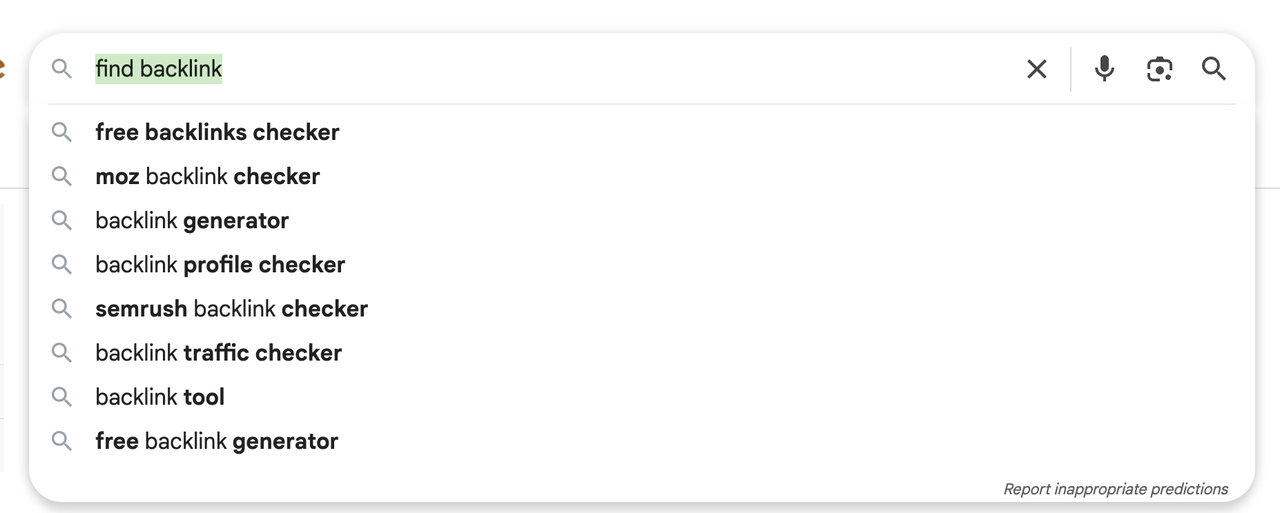
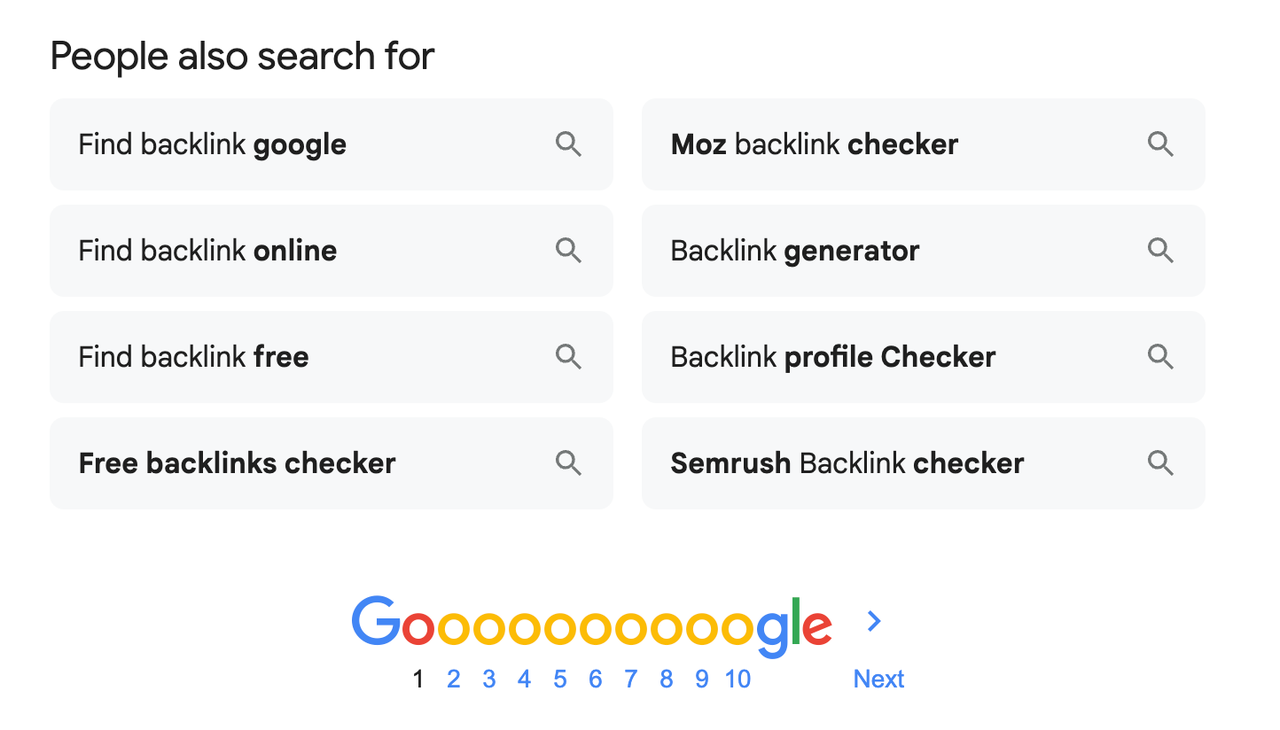
Search for your main keyword on Google
Record:
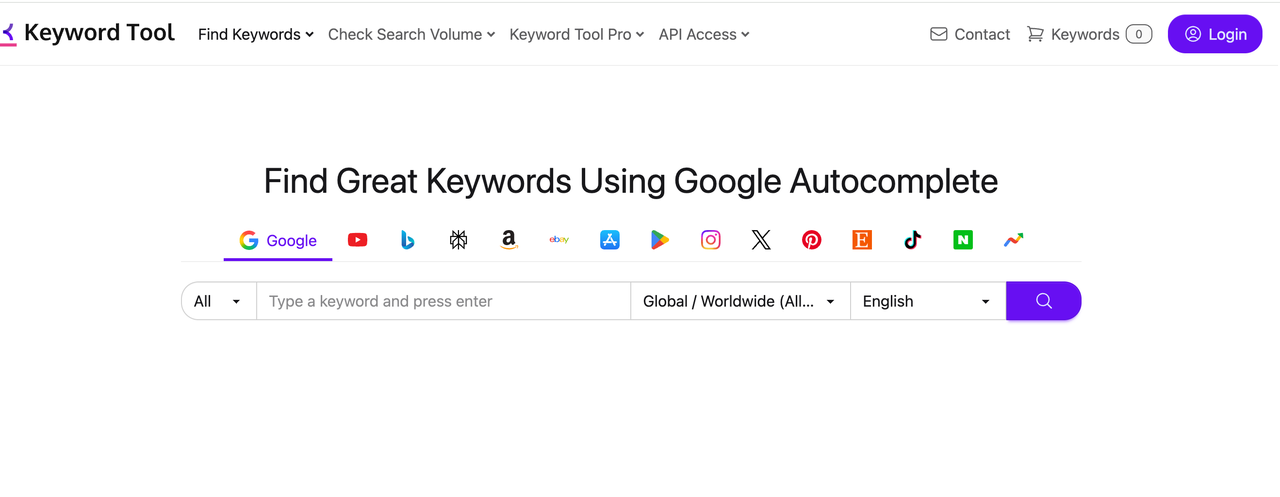
I recommend using this tool: https://keywordtool.io/
It generates a large number of keyword suggestions using autocomplete data from multiple platforms.
👉 These keywords share one thing in common:
They are actually searched by real users, and their search intent is very clear.
Use Semrush → Enter competitor domain
Go to Organic Keywords → Sort by:
👉 What do these keywords indicate?
They show:
“Google already recognizes this content structure, but there is no ‘optimal solution’ yet.”
This is an efficient way to generate, classify, and filter keywords in bulk:
Open Semrush → Keyword Magic Tool
Enter your core keywords (action-oriented or demand-driven)
Classify by intent or topic:
Set search volume and keyword difficulty (KD) filters:
Filtering keywords by search volume alone is why many people fail at SEO.
My method is the Four-Dimensional Filtering Method, with specific standards for each dimension.
| Dimension | Criteria | How to Apply |
|---|---|---|
| Search Volume | 100–5,000 | In the early stage, don’t chase high-volume keywords; ensure there is room for growth. Tools: Google Keyword Planner or Semrush. |
| KD (Keyword Difficulty) | ≤45 | Ensure the site (new or small) can compete. Tools: Semrush, Ahrefs, Moz. |
| SERP Type | Suitable for blogs? | 1. Google your target keyword 2. Analyze the top-ranking results: blog, forum, product page, Q&A, news 3. Prioritize keywords where blogs or informational pages dominate, making it easier for your content to compete. |
| Search Intent | Informational / Comparison / Decision-making | Check the titles and snippets of search results to determine user intent: • Informational: How to / What is / Tutorial • Comparison: A vs B / Best X • Decision-making: Pricing / Review / Alternative |
💡 Practical SERP Analysis Tips:
KD 15–25 (Month 1)
👉 Quickly gain rankings → send positive signals to Google
KD 25–35 (Month 2)
👉 Scale traffic → build topic authority
KD 35–45 (Month 3)
👉 Target industry-level keywords → capture large-scale traffic
⚠️ The order is important; if you skip steps, a new site may fail to rank.
Final Deliverable:
An Excel sheet with the following fields:
The core goal of competitor analysis:
Identify areas they have validated but haven’t executed optimally, and then target those gaps precisely.
❌ Don’t pick industry giants
✅ Pick sites with similar DA and existing organic traffic
Standard Procedure:
Tools: Semrush / Ahrefs / Moz
Select candidate competitors:
Data verification: Check their homepage / blog / product page traffic and whether their ranking keywords cover the core topics you plan to target
Final selection: Pick 3–5 competitors for deep-dive analysis
Goal: Make your content more usable and valuable, not just longer
Procedure:
Open the top 10 pages for your target keywords on competitor sites
Break down the content structure:
Build a comparison table
| Page | Title Structure | Content Type | Information Coverage | Gaps / Optimization Points |
|---|
Formula:
Opportunity = They are already ranking + Their content is not yet optimal
Steps:
Identify potential keywords:
Compare content coverage:
List optimization plans:
Prioritize:
Goal:
Don’t blindly build backlinks; instead, identify high-value sources your competitors have leveraged that you can reference or improve upon.
Steps:
Open Semrush → SEO → Backlink Gap
Analyze results:
The tool will show three types of backlinks:
Filter high-value links:
Develop exposure strategy:
For high-value resource pages, industry blogs, news outlets:
For social media or forums your competitors cover but you don’t:
Execution:
Build a backlink opportunity sheet
Prioritize and execute exposure and content collaboration
| Link Source | Type | DA | Traffic | Priority | Action Plan |
|---|
SEO is not about writing articles.
It’s about using content to “own a topic.”
Goal: Cover the entire topic and establish authority
Steps:
List core topic keywords (3–5 most important)
Expand related long-tail keywords using Keyword Planner / Ahrefs / SEMrush / ChatGPT
Classify by search intent:
Generate a content hierarchy for each core keyword:
Internal linking strategy:
💡 Tools: Ahrefs / SEMrush / SurferSEO / Excel (to build the content tree)
Goal: Ensure each page “knows its role,” increasing its crawl and ranking authority with search engines
| Page Type | Target Keyword Type | Core Action Method |
|---|---|---|
| Pillar Page | Core Keyword (Broad / Head Term) | Cover the entire topic, include table of contents, link to supporting pages, and maintain clear H1–H3 structure |
| Support Page | Long-tail Keyword | Deep-dive into subtopics, solve individual problems, link to the pillar page to build internal authority |
| Comparison Page | High-click / Commercial Intent Keyword | Compare different solutions / products / tools to increase commercial value and CTR |
| FAQ Page | PAA (People Also Ask) / Related Searches | Collect user questions, create FAQ or micro-pages, enhance topic coverage and match search intent |
Goal: Efficiently generate structured content while retaining human judgment
Steps:
Outline Generation
Content Filling
Supplement Missing Questions
💡 Tools: ChatGPT / Claude / Perplexity + Ahrefs PAA / SurferSEO
Goal: Increase traffic through optimization rather than creating new content
| Time | Condition | Action | KPI / Goal |
|---|---|---|---|
| Day 7 | Has impressions but low CTR | Update Title / Meta / H1 tags | Increase CTR by 20%+ |
| Day 21 | Ranking 11–20 | - Add 3 core internal links - Add tables / images |
Rank enters top 10 |
| Day 45 | Stable in top 10 | - Split FAQ into separate pages - Expand subpages |
Deepen topic coverage, grow long-tail traffic |
💡 Additional Tips:
Key takeaway:
Backlinks are not “the more the better.” The right backlinks at the right stage to the right pages matter most.
I divide backlinks into four types, each with a clear purpose, and execute them in order.
In this project, the goal of backlinks was simple:
Push “high-potential” pages into the top 10 rankings faster.
So I only built backlinks to pages that meet at least one of these criteria:
This is my most recommended and cost-effective method.
Step 1: Create a “Link-Worthy Page”
📌 Judging criterion:
Would someone need to cite this page in their article?
Step 2: Find “Potential Linkers”
Formula I use:
site:blog OR site:resources
[Keyword] + "tools" / "guide" / "resources"
Then filter:
👉 Usually yields 30–50 highly relevant sites
Step 3: Outreach Email
Template I often use:
Hi {{Name}},

I was reading your article on {{Article Title}} – very solid breakdown.

I noticed you mentioned {{Tool / Topic}}.
I recently put together a curated resource:
“{{Your Resource Title}}”

It includes {{specific value points: number / categories / data}}.
I’ve also referenced a few tools you mentioned.

If you think it’s useful, feel free to include it as an additional resource.

Best,
{{Your Name}}Core idea: Not about authority, but letting Google see real mentions in authentic contexts.
Examples I’ve used:
My rules:
Once the account looks “human,” only post links when genuinely useful
Core idea:
If they linked to competitors, they might link to you too.
Key: find highly relevant, high-authority, active sites
Recommended tools: SEMrush → Backlink Analytics, Ahrefs (optional), Majestic (optional)
Process:
Enter competitor domain or URL
Filter valid backlinks (DoFollow / DA≥20 / relevant content)
Export a list including:
Similar to resource backlinks:
Template:
Hi {{Name}},

I was exploring your article on {{Article Title}} and found it super helpful.

I noticed you referenced {{Competitor / Topic}}.
I recently published a resource:
“{{Your Resource Title}}”

It includes {{specific value points: data / tools / categories}}.
It could serve as an additional reference for your readers.

Would love to hear your thoughts.

Best,
{{Your Name}}This is suitable for B2B / SaaS / tool sites
Find 5–10 upstream and downstream tools
Proactively propose:
They usually mention you in:
Goal: Ensure search engines can crawl, understand, and index your site, while improving user experience and page performance.
Great content alone cannot rank if technical issues exist.
Goal: Ensure all core pages are crawled and indexed
| Check Item | Tool | Specific Action |
|---|---|---|
| robots.txt | Screaming Frog / GSC | Ensure core pages are crawlable; block irrelevant pages |
| Sitemap | GSC / XML sitemap | Core pages included, updated timely, and submitted to GSC |
| Page Status Codes | Screaming Frog / Sitebulb | Ensure all pages return 200; handle 404/500 pages |
| Redirects | Screaming Frog / Ahrefs | 301 redirects correctly implemented; avoid 302 or chained redirects |
| Index Coverage | GSC | Core pages indexed; non-core pages can be excluded |
💡 Tip: Prioritize pillar pages and high-value supporting pages, avoid wasting crawl budget on low-value pages
Goal: Improve page speed and mobile experience
| Check Item | Tool | Specific Action |
|---|---|---|
| Page Speed | PageSpeed Insights / Lighthouse | Core pages load within 3s; optimize images / JS / CSS |
| Mobile Responsiveness | Mobile-Friendly Test | Pages are responsive; buttons clickable; fonts readable |
| Styling & Rendering | Lighthouse | Check core Web Vitals: CLS, LCP, FID |
| Image Optimization | TinyPNG / WebP | Proper size; compress to WebP or AVIF format |
| CDN / Caching | Cloudflare / Nginx | Accelerate static resources; enable browser caching |
💡 Tip: Optimize pillar pages first, then supporting pages in order of traffic
Goal: Help search engines understand page content and improve SERP appearance
| Type | Tool | Action |
|---|---|---|
| Article / Blog | Google Rich Results Test | Add Article schema; mark up title, author, and publish date |
| FAQ | FAQPage Schema | Mark questions and answers on FAQ pages to enhance SERP FAQ display |
| Breadcrumb | Google Rich Results Test | Mark breadcrumb navigation to reinforce hierarchical structure |
| Product / Review | Schema.org | Add rating, price, and availability info to product or comparison pages |
💡 Tip: Prioritize core pages, supporting pages can be batch-processed
Goal: Ensure internal link equity flows to core pages and URLs are clean and readable
| Check Item | Action |
|---|---|
| URL Standardization | Ensure URLs are short, include core keywords, and use hyphens |
| Internal Linking Strategy | Core pages collect links from supporting pages; supporting pages link back to core pages |
| Breadcrumb Navigation | Each page has logical breadcrumb hierarchy for crawling and user experience |
| Anchor Text Optimization | Use keyword-rich anchor text without overstuffing or repetition |
| Check Item | Action |
|---|---|
| URL Standardization | Ensure URLs are short, include core keywords, and use hyphens |
| Internal Linking Strategy | Core pages collect links from supporting pages; supporting pages link back to core pages |
| Breadcrumb Navigation | Each page has logical breadcrumb hierarchy for crawling and user experience |
| Anchor Text Optimization | Use keyword-rich anchor text without overstuffing or repetition |
💡 Tip: Conduct a full-site technical SEO audit quarterly, prioritize fixing core pages
Prioritization:
Toolset:
Loop Process:
Tim is the co-founder of Dageno and a serial AI SaaS entrepreneur, focused on data-driven growth systems. He has led multiple AI SaaS products from early concept to production, with hands-on experience across product strategy, data pipelines, and AI-powered search optimization. At Dageno, Tim works on building practical GEO and AI visibility solutions that help brands understand how generative models retrieve, rank, and cite information across modern search and discovery platforms.
Read full bio